Soft Washing vs Pressure Cleaning: Mawson Lakes Home Guide
If you own a home in Mawson Lakes, you already know how quickly exterior surfaces can look tired. Roofs, rendered walls, pavers, driveways and fences all collect grime, and choosing the wrong cleaning method can damage the very surfaces you are trying to restore. The two most common professional options are soft washing and pressure cleaning. They are not interchangeable, and understanding the difference helps you protect your property and get a better result.
What Is Pressure Cleaning?
Pressure cleaning, also called high-pressure washing, uses a powerful jet of water to blast dirt, mould, oil stains and loose paint from hard surfaces. Pressure is measured in PSI (pounds per square inch) or in bar, and professional units can deliver well beyond what a typical home machine produces. Technicians often use surface cleaners, which are rotating attachments that deliver an even finish across flat areas and avoid the striping seen with a handheld wand.

Pressure cleaning works best on durable, non-porous or dense materials, including:
- Concrete driveways and paths
- Clay and concrete pavers (with care around jointing sand)
- Brick fences and retaining walls
- Garage floors and alfresco slabs
- Steel and concrete structures
What Is Soft Washing?
Soft washing uses low-pressure water, typically similar to a garden hose, combined with specially formulated cleaning solutions. These solutions, usually based on sodium hypochlorite along with surfactants, break down and kill organic growth such as mould, mildew, algae and lichen at the root. Rather than blasting contamination off the surface, soft washing treats it chemically and rinses it away gently.
Because the pressure is low, soft washing is the preferred method for delicate or easily damaged surfaces:
- Colorbond and tiled roofs
- Rendered and acrylic-coated walls
- Painted weatherboard and cladding
- Timber decking and pergolas
- Windows, flyscreens and seals
- Outdoor furniture and soft landscaping features
Key Differences at a Glance
Cleaning Mechanism
Pressure cleaning relies on force to dislodge dirt. Soft washing relies on cleaning agents to break down organic matter. This is why soft washing tends to deliver longer-lasting results on surfaces affected by mould and algae: killing the growth at its source slows regrowth, whereas blasting only the visible layer can leave spores behind.
Risk of Surface Damage
High pressure can etch concrete, strip paint, erode mortar, lift roof tile glazing, force water behind cladding and damage window seals. Soft washing carries far less risk of physical damage, though it must be applied correctly to protect plants, metal fittings and surrounding surfaces from the cleaning solution.
Longevity of Results
On a roof or painted wall, a soft wash may keep surfaces looking clean for a year or more before algae begins to return, depending on shade and moisture. A pressure-cleaned driveway may look sharp immediately, but oil and organic staining can return depending on traffic and exposure.
Why Local Conditions in Mawson Lakes Matter
Mawson Lakes sits in Adelaide's northern suburbs, with a Mediterranean-style climate of hot, dry summers and cooler, wetter winters. The area's lakes, wetlands and landscaped reserves add moisture and organic debris to the local environment, and many homes sit close to water features, trees and shaded courtyards. These conditions encourage mould, algae and lichen on south-facing walls, shaded roof sections and damp paving.
The suburb also has a large share of newer and contemporary homes, many built since the 1990s. These often feature rendered facades, Colorbond roofing, concrete tiles, compact courtyards and low-maintenance paving. Many of these finishes are better suited to soft washing than aggressive pressure, particularly render and roofing, where high pressure can cause long-term problems.
Adelaide's dust and seasonal storms also contribute to buildup on roofs, gutters and walls. Spring pollen and autumn leaf drop add further organic material, which holds moisture against surfaces and accelerates growth.
Which Method Suits Each Part of Your Home?
Roofs
Soft washing is the recommended approach for almost all roofing. Pressure washing a tiled roof can crack tiles, remove protective coatings and push water beneath the tile laps. On Colorbond, high pressure can damage the paint finish. A soft wash treatment removes lichen and algae safely, and many professionals recommend avoiding pressure on roofs altogether.
Rendered and Painted Walls
Render is porous and can be damaged by high pressure, which may open hairline cracks and allow moisture ingress. Painted surfaces can lose their finish. Soft washing cleans these walls effectively and removes the green and black staining common on shaded sides of the house.
Driveways, Paths and Pavers
These are the ideal candidates for pressure cleaning. Concrete and quality pavers handle high pressure well, and a surface cleaner delivers consistent results. For pavers, a technician will usually follow cleaning with re-sanding of the joints and, if desired, a sealer. For mouldy or slippery pavers in shaded areas, combining a soft wash pre-treatment with pressure rinsing can give the best outcome.
Decks and Timber
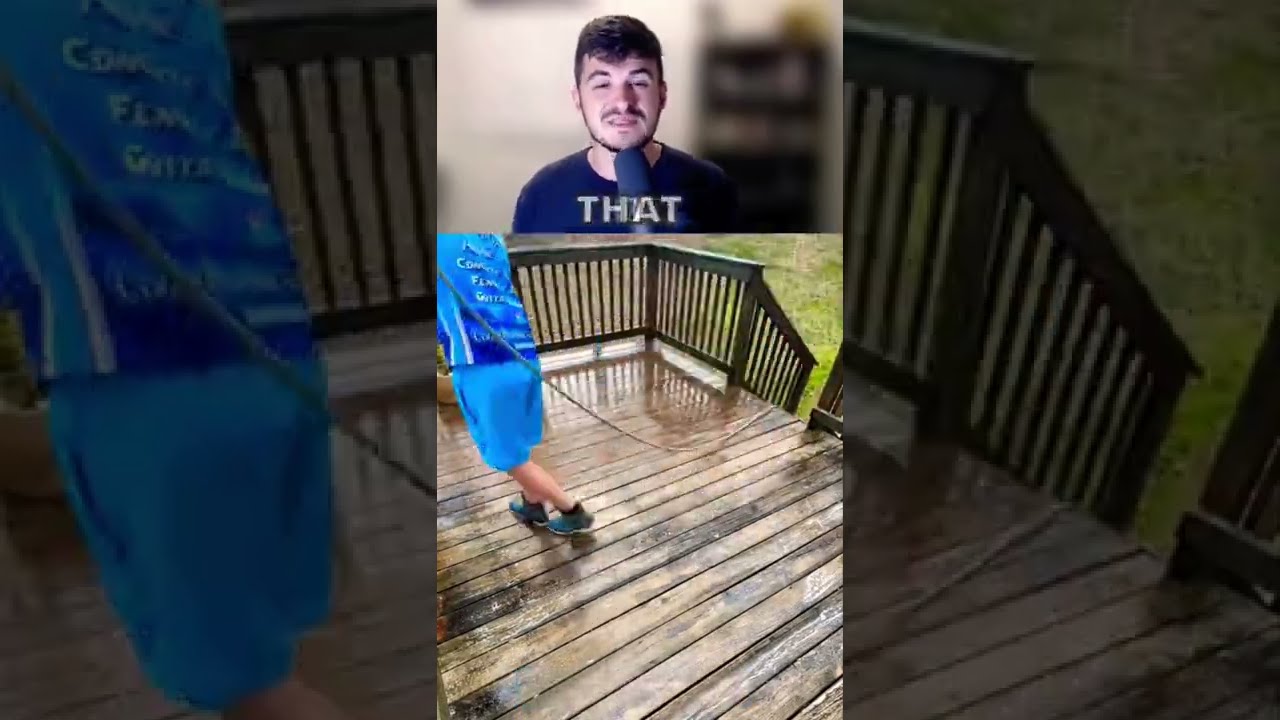
Timber is soft and easily https://damienmtke260.image-perth.org/pressure-washing-vs-soft-washing-which-do-you-need scarred by high pressure, which can raise the grain and leave a fuzzy, uneven surface. Soft washing, followed by a brightener if needed, removes grime and algae without damaging the wood. Allow the timber to dry fully before oiling or sealing.
Fences and Retaining Walls
Brick and concrete block can tolerate moderate pressure, while Colorbond and painted timber fencing is better suited to soft washing. Check the material and age before deciding.
Cost Considerations
Pricing varies depending on the size of the property, access, surface type and level of soiling. Pressure cleaning of flat areas is often charged per square metre, while soft washing a roof or entire house exterior is usually priced as a whole job based on size and complexity. Roof work typically costs more because of safety requirements and the specialised equipment involved.
Rather than focusing on price alone, consider the cost of a wrong choice. Replacing damaged tiles, repainting stripped surfaces or repairing water ingress can far exceed the price of a correct cleaning service. Always request a written quote that specifies the method, the areas covered and any treatments included.
Environmental and Safety Considerations
Responsible operators in 2026 are expected to manage wastewater and chemical runoff carefully. In South Australia, stormwater drains lead to waterways, and Mawson Lakes' wetlands and lakes are sensitive environments. Contaminated wash water should not be allowed to flow into stormwater drains. Reputable contractors use measures such as drain covers, containment and recovery, diluted solutions and biodegradable detergents where appropriate.
Before work begins, a professional should also:
- Pre-wet and protect nearby plants and lawns
- Cover or shield electrical outlets, meter boxes and light fittings
- Close windows, doors and vents
- Rinse the surrounding area thoroughly after treatment
- Use proper fall protection when working on roofs
Homeowners with pets, vegetable gardens or fish ponds should mention them in advance so the contractor can adjust the process.
Should You DIY or Hire a Professional?
Hiring a hardware-store pressure washer is tempting, but there are real risks. Consumer machines are easy to misuse, and a few seconds too close to the wrong surface can leave permanent marks. Working on a roof is also one of the leading causes of serious falls in home maintenance. Soft washing involves mixing and applying chemicals at the right concentration, which requires training to do safely and effectively.
DIY pressure cleaning can be reasonable for a small, flat concrete area, provided you use a fan-pattern nozzle, keep a consistent distance and wear appropriate eye and footwear protection. For roofs, render, and anything above ground level, a qualified professional is the safer choice.
How to Choose a Cleaning Service in Mawson Lakes
Before engaging a contractor, ask a few practical questions:
- Do you hold current public liability insurance?
- Which method do you recommend for each surface, and why?
- What cleaning solutions do you use and how do you protect plants and drains?
- How do you manage safety when working at height?
- Is the quote written and itemised, and is any guarantee offered?
A trustworthy provider will explain their reasoning clearly, inspect the property before quoting and be willing to say when a surface needs a different approach. Be cautious of anyone who proposes pressure washing a tiled roof or render without discussing the risks.
How Often Should You Clean?
Frequency depends on exposure. As a general guide for Mawson Lakes homes:
- Roofs: every two to three years, or sooner if lichen or algae appears
- Rendered and painted walls: every one to two years in shaded or damp positions
- Driveways and paths: once a year, or as staining and slipperiness develop
- Decks and pergolas: annually before re-oiling or sealing
- Pavers in shaded courtyards: once or twice a year
Regular gutter clearing and trimming back overhanging branches reduces moisture and debris, which can extend the time between cleans.
Final Thoughts
Soft washing and pressure cleaning each have a place in looking after a Mawson Lakes home. Pressure cleaning suits hard, durable surfaces like concrete and brick, while soft washing is the safer and more effective choice for roofs, render, painted finishes and timber. In many cases the best results come from using both methods on the right surfaces. By matching the method to the material, choosing a properly insured and experienced provider, and keeping up with regular maintenance, you can protect your home's appearance and value well into 2027 and beyond.

Mawson Lakes Pressure Cleaning
Unit 7/12 William St, Cavan SA 5094
(08) 7282 0689